

Starting out a day in Llandudno for the Wales Whisky Festival last November, I was immediately hit by a little foreshadowing. The event was being held at the decidedly un-Welsh sounding St George's Hotel. The goal for the day: see, try, and discuss every Welsh whiskey possible, before walking to Lloyd Street for a tour of Penderyn's second distillery. I saw the original (in the Bannau Brycheiniog) back in December 2017, when I was still working for SWE.

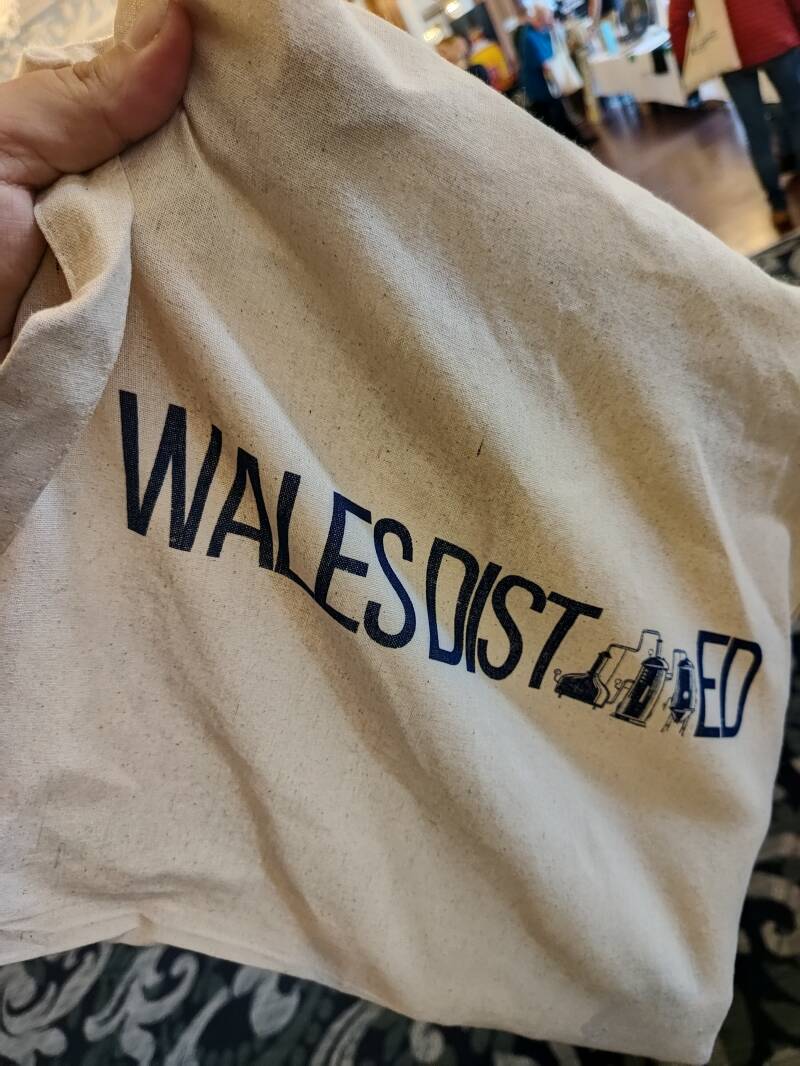
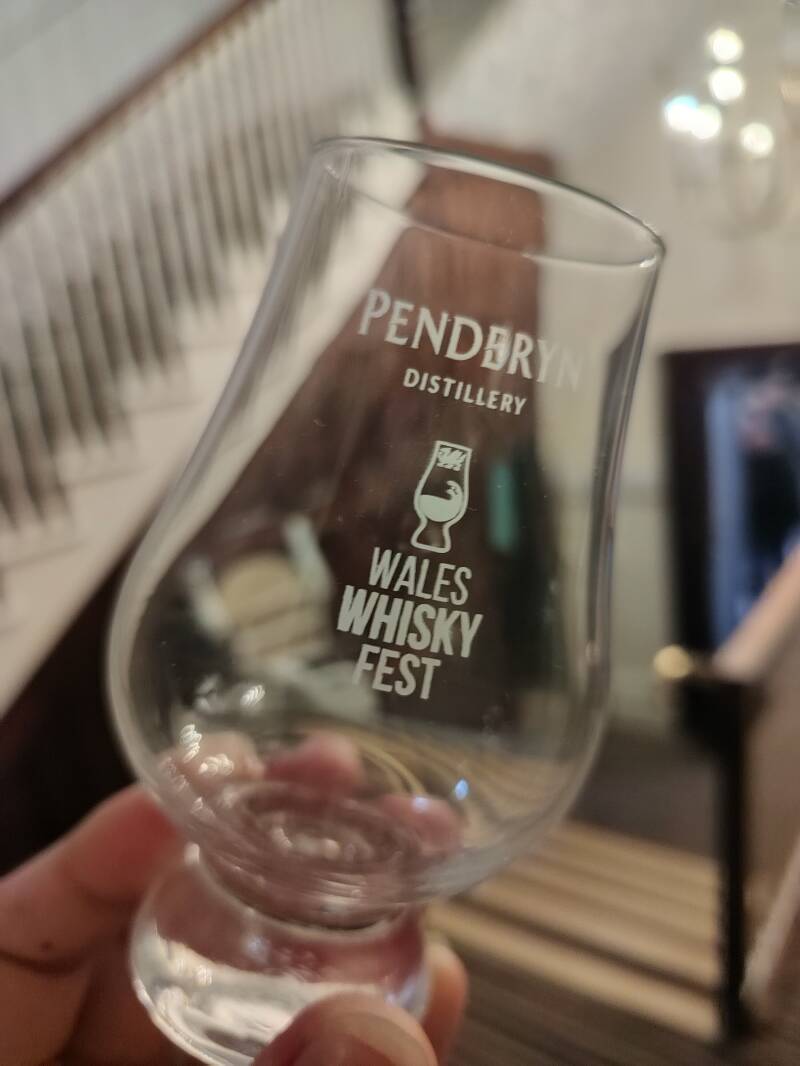
The festival was very nicely done, despite only being the event's second ever iteration. More than just a branded Glencairn, attendees got a tote bag and free hot drink. Combined with the crisps and Club bars free to take from bowls in the hallways, it shows a simple but important attention to detail. Another way to make sure people are not drinking on empty stomachs and staying hydrated - approved!
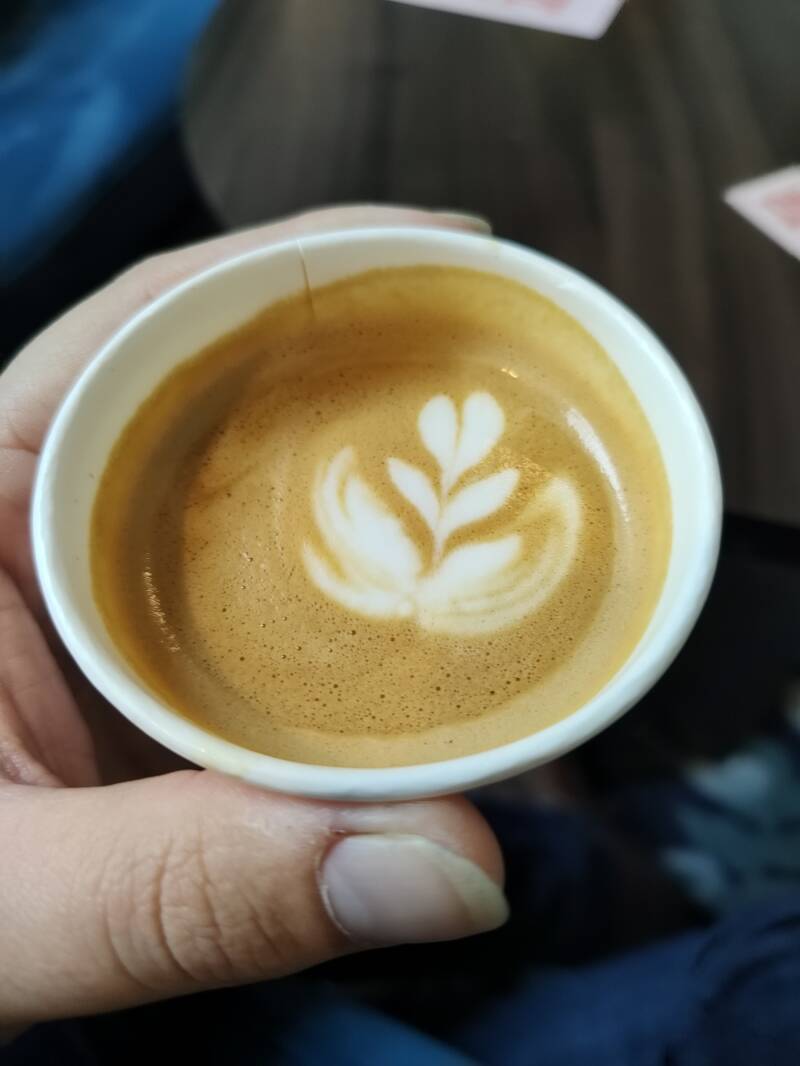
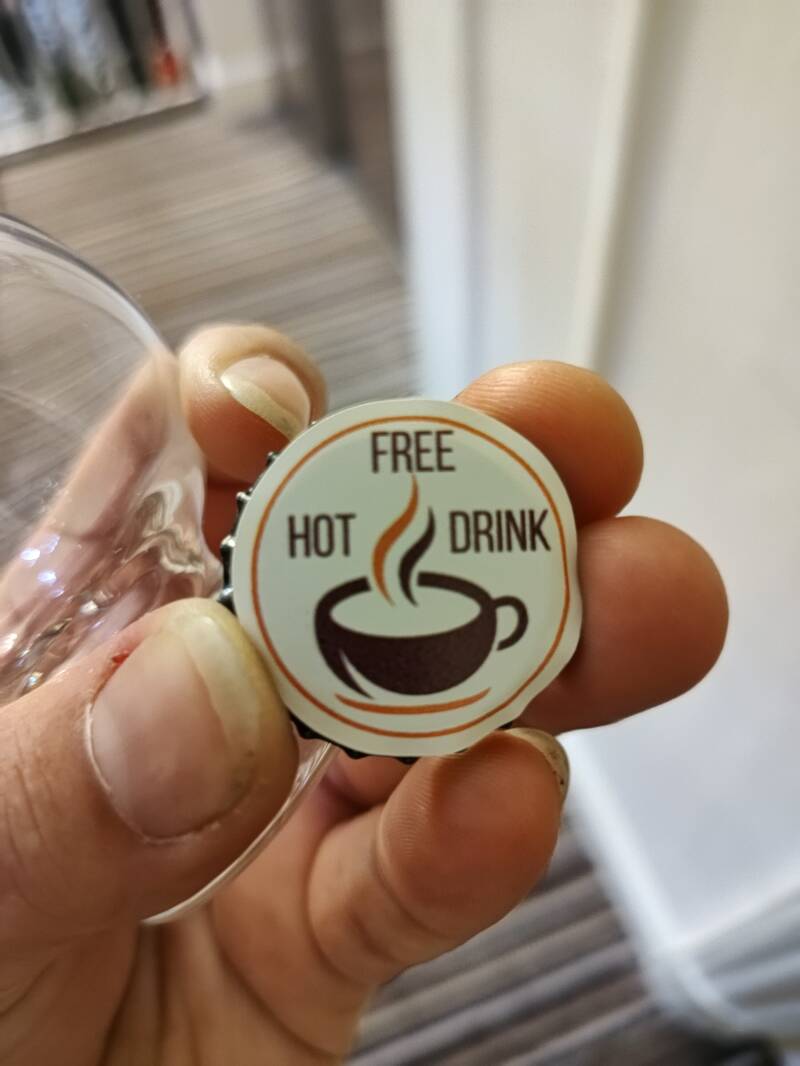
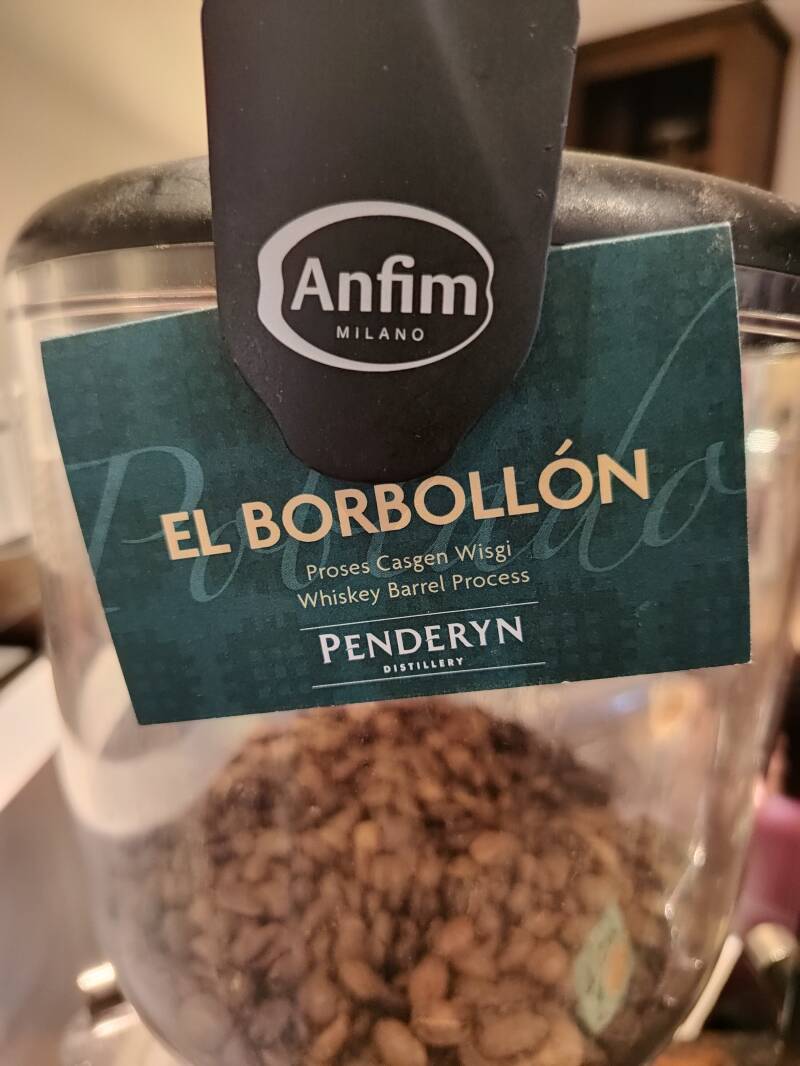
The coffee, incidentally, wasn't just some black drip coffee from a big thermos - the token was valid for one drink from a proper espresso stand, run by a local roastery and cafe. They even added to the event with some beans rested in Penderyn cask, which made for a great cappuccino. Damn, I miss UK coffee living in the Netherlands…
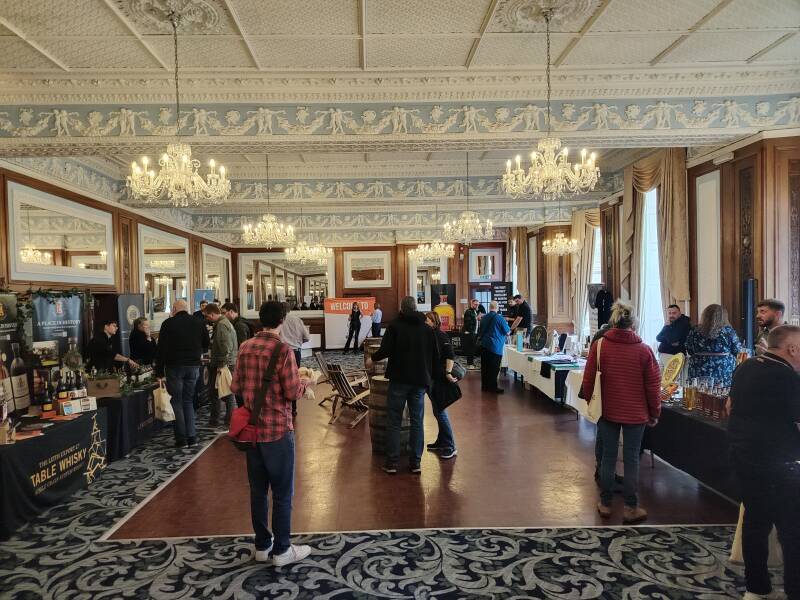
The setting of a classic, 19th century seaside hotel in Llandudno works very well for a whiskey festival. The only thing that spoiled it was the decision to have live music played in the corner of one room… right next to the Aber Falls stand. It meant that we had to yell at each other to be heard about the otherwise pleasant noise! Please, festivals, put any music in common areas away from the stands!
In any case, the rep from Aber Falls did an admirable job considering this hardship. Until now, I was only familiar with their standard, NAS 'Aber Falls' (which I really enjoyed) and a rare bottling of 3YO rye whiskey from Kintra. However, I noticed the apparently normal bottle below had a few small tweaks from what I knew…
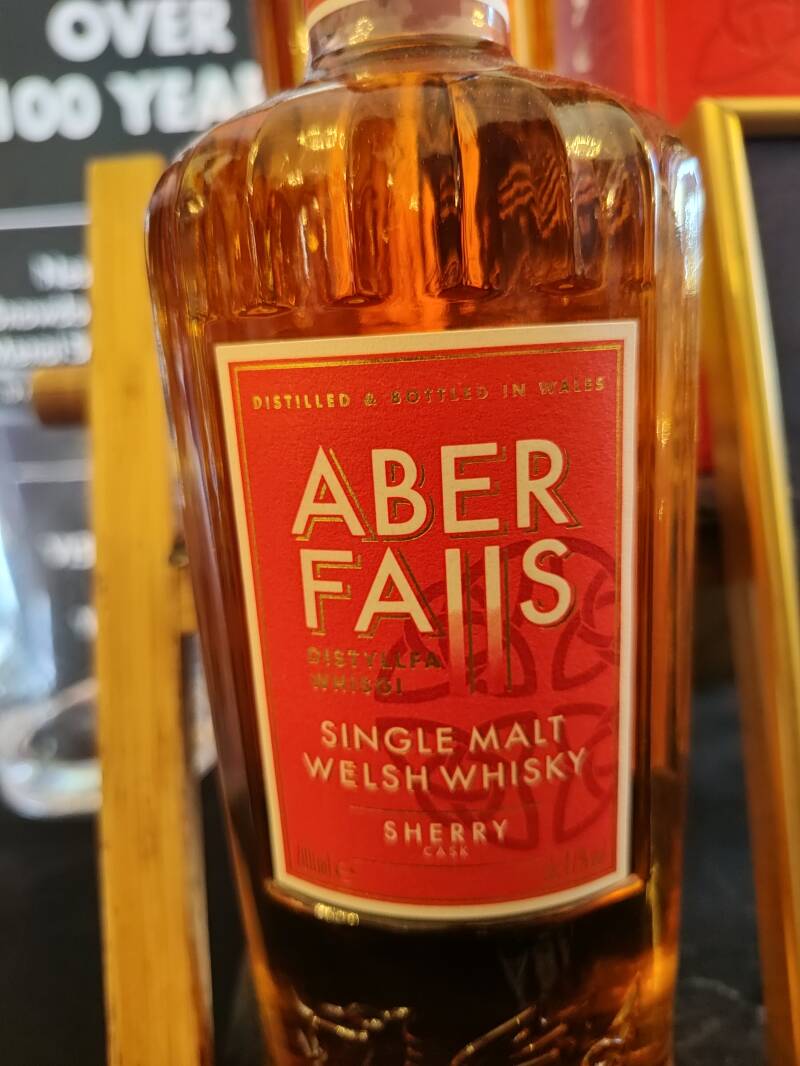
The bottles have recently been stretched vertically a bit, and there is now a distinction between two standard NAS expressions. The familiar red label now represents a sherry cask edition, while a new pink represents madeira. Both have been bumped up to 47%, a subtle but welcome move to ever so slightly intensify these whiskies' aromas. The Sherry Cask dram is only three years old, and it could do with a bit more time. That being said, the casks are apparently PX for the most part, with some oloroso. While the smell to me was just dry wood, it tasted much better!
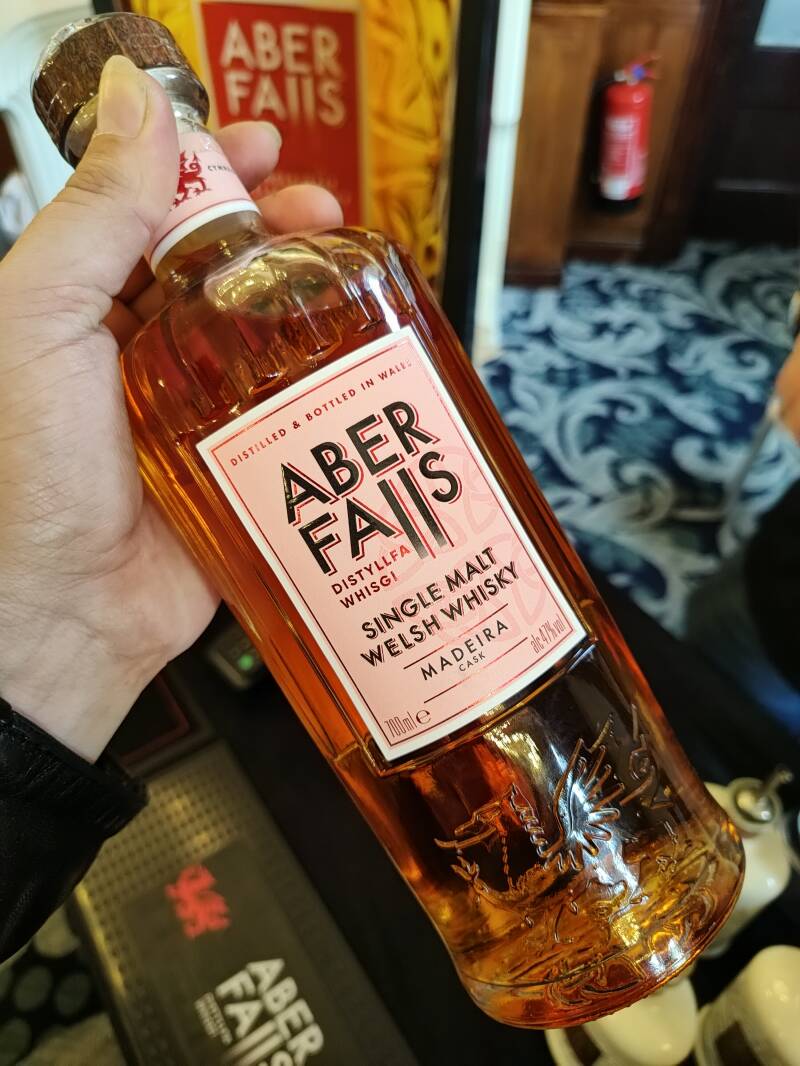
The Madeira intrigued me, not least because it could represent a symbolic stepping on Penderyn's traditional territory. However, it is a nice dram with a welcome difference in quality; a sweeter, more floral nose. Apparently no more Aber Falls rye is in the distillery's future, but they have plenty of stock aging in their Bangor warehouses, so future age statement bottlings are being discussed.
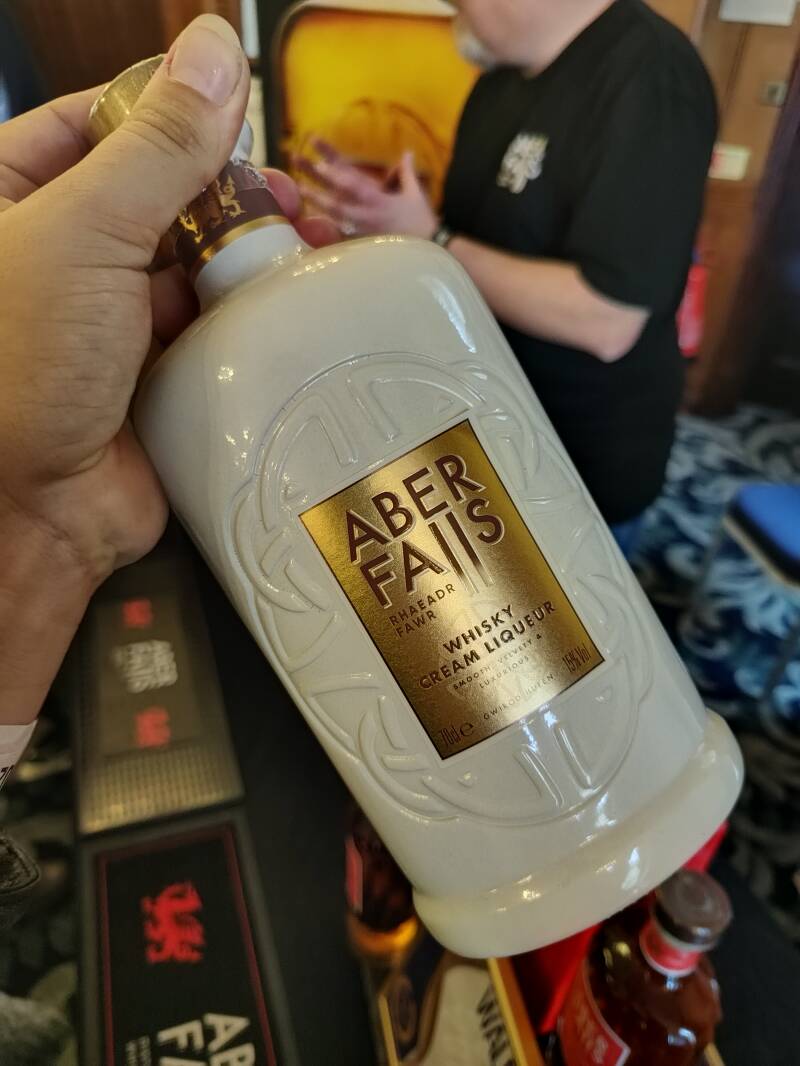
I did try their cream liqueur for the sake of it, though my only notes were fine/solid/unremarkable. Hard to do wrong, but it's no Five Farms or Kyro…
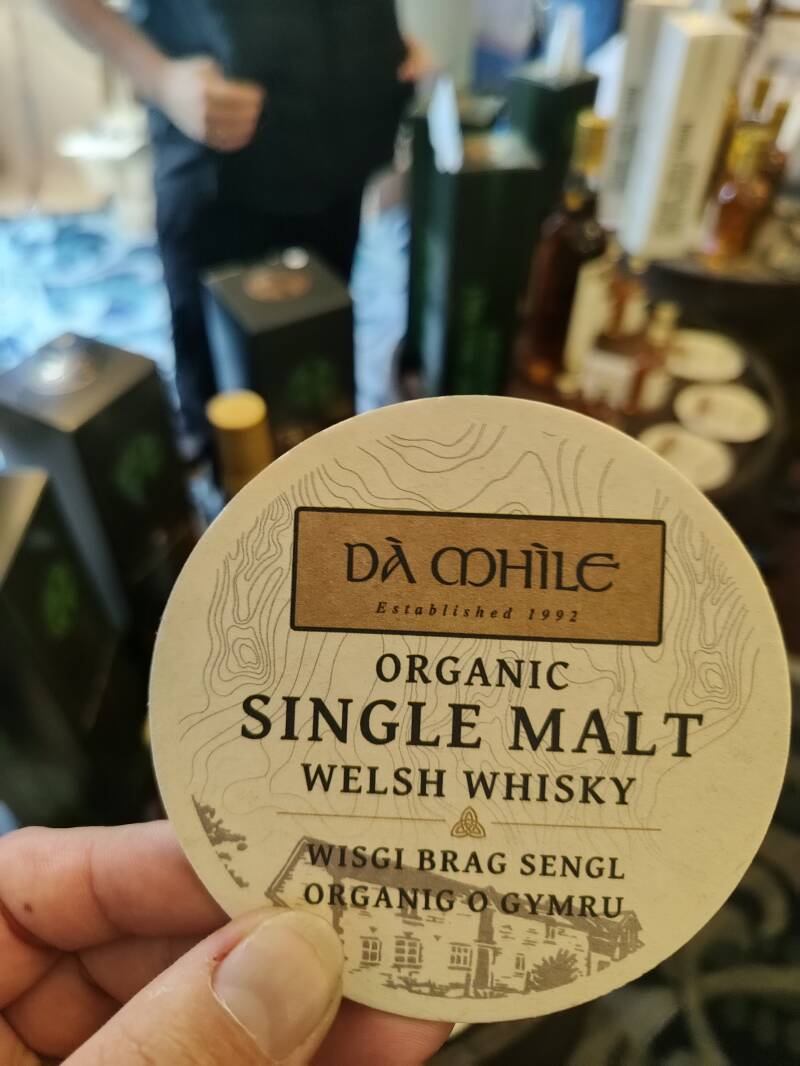
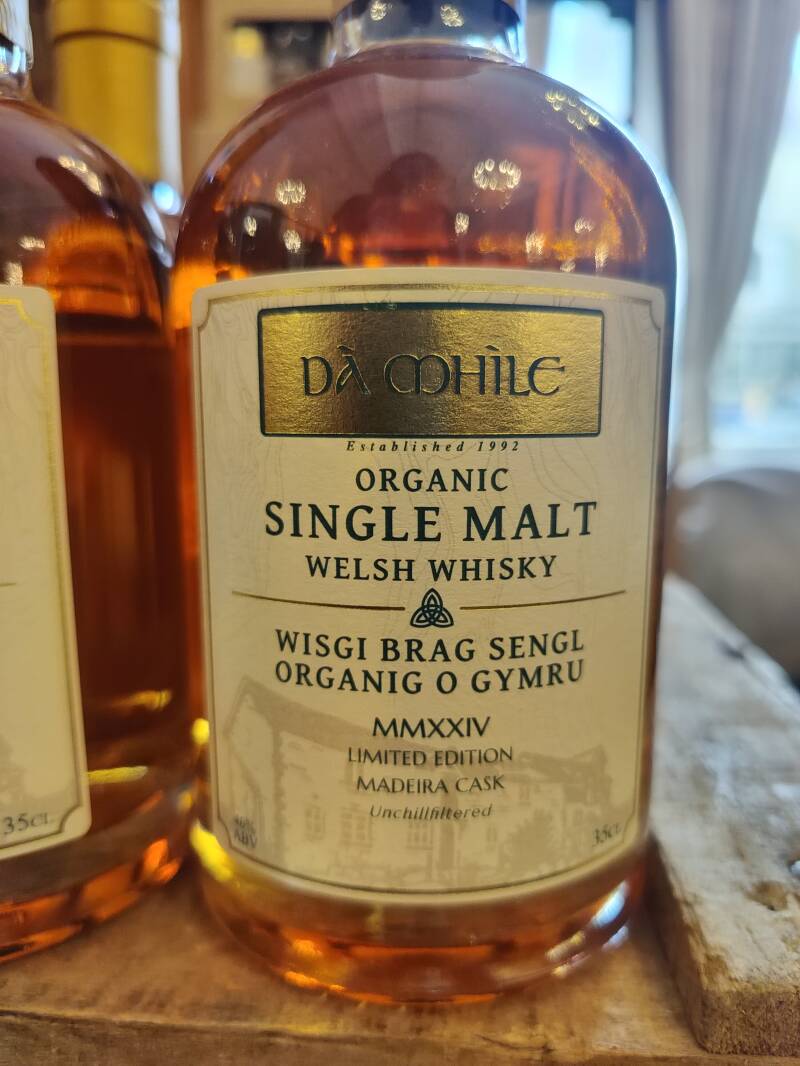
Of course, I had to stop by the Dà Mhìle stand again. Having only been there hours before, it was funny to see John again in Llandudno, but I got to try a dram that wasn't available at the distillery. Again, madeira cask! I picked up a limited edition tokaji cask bottling which is still sitting on my shelf as I write this, just waiting for a good opportunity to be released…
Did you know that there’s a Welsh Whisky Society? As old as this festival (and tied to its creation/direction), this society is a lovely initiative from a group of Welsh whisky fans. That’s fans of Welsh Whisky, and fans of whisky who come from Wales…
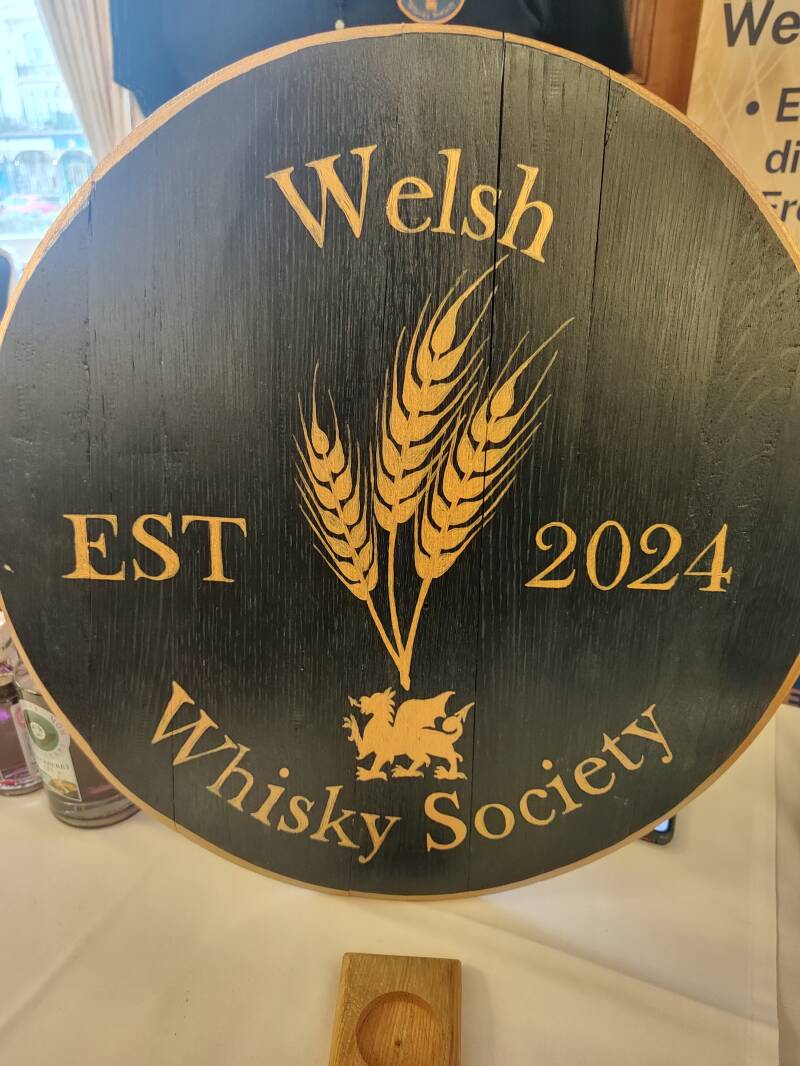
I hope more people join and make membership increasingly worthwhile in the long run. This is the kind of group which could do great things in terms of organizing whiskey bars/venues/tastings across the country, not to mention running this festival and maybe doing some indie bottling… As any such group should, they also have a nice map showing all Wales' distilleries making whisky, though the number is still expanding!
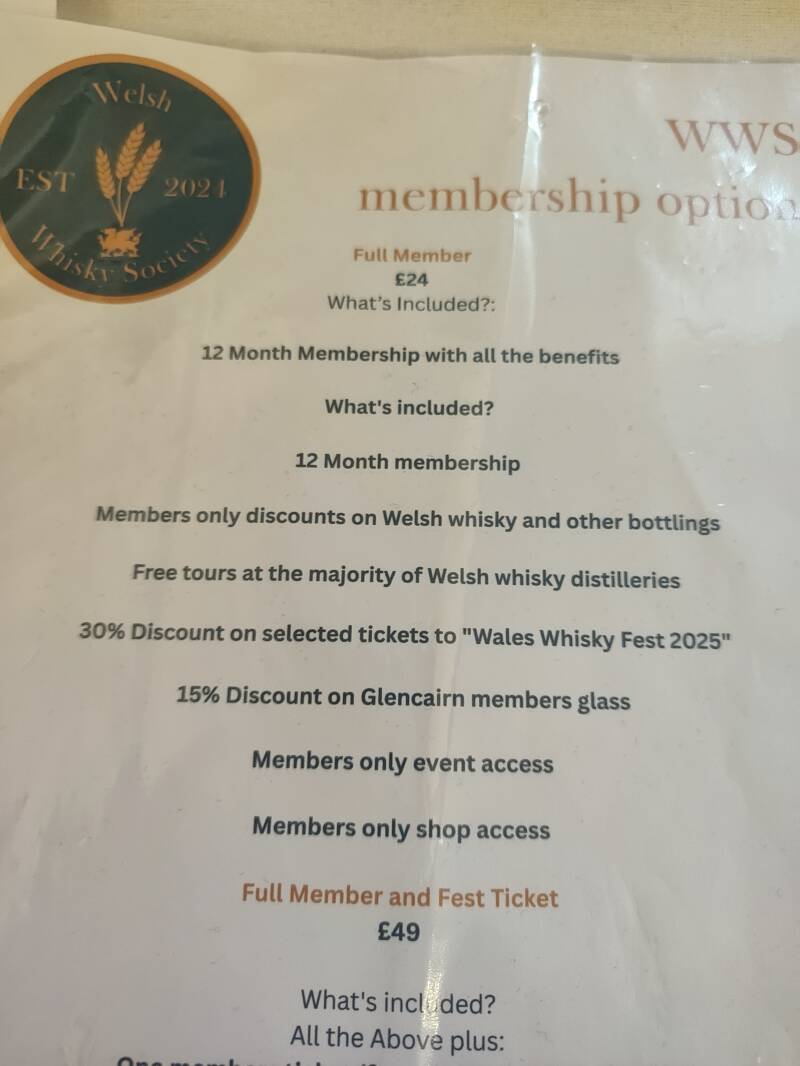
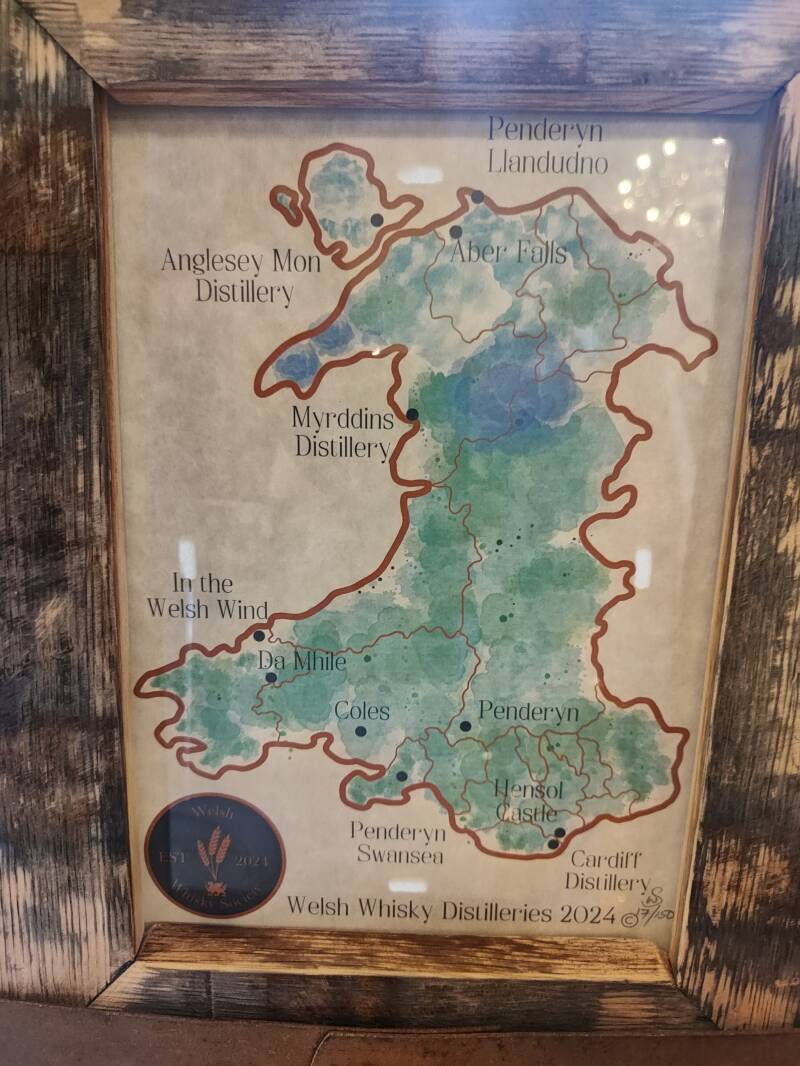
While I don't remember their names, the people from the WWS who I talked to on the day were very friendly - thanks guys! I hadn't realized until they pointed it out, but there is no governing body for Welsh Whiskey comparable to Scotland's SWA. The WWS promotes their country's spirits on an impartial basis, and seem to have earned some good trust from the industry already. Their influence extends into England, and the WWS has already led tastings at breweries and distilleries in London and Yorkshire.
Naturally, I made it my duty to go and try some samples from the newer, smaller distilleries on the WWS map, all provided by the Society itself. First, Anglesey Mon. This small distillery is the only one making whiskey on the island of the same name (it's Anglesey in English but Ynys Môn in Welsh). They make a whole heap of spirits and are very secretive about their exact location. In fact, the owner's principal business before distilling was bottling spring water from his Anglesey farm.
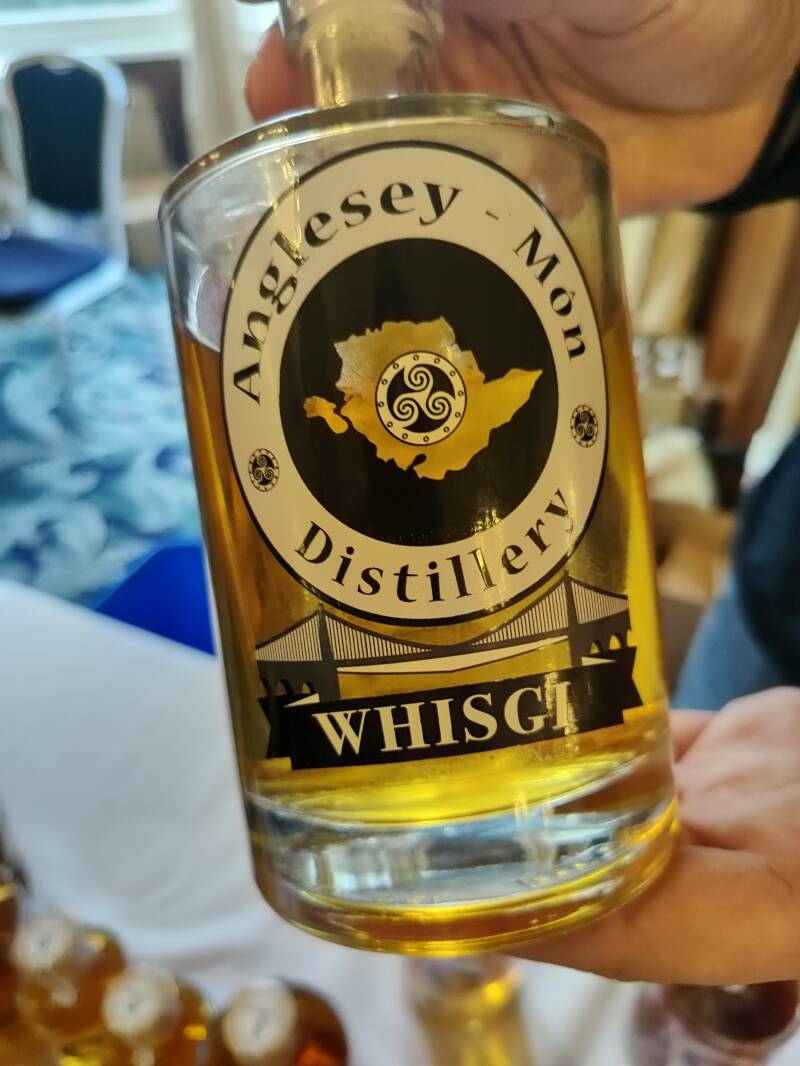
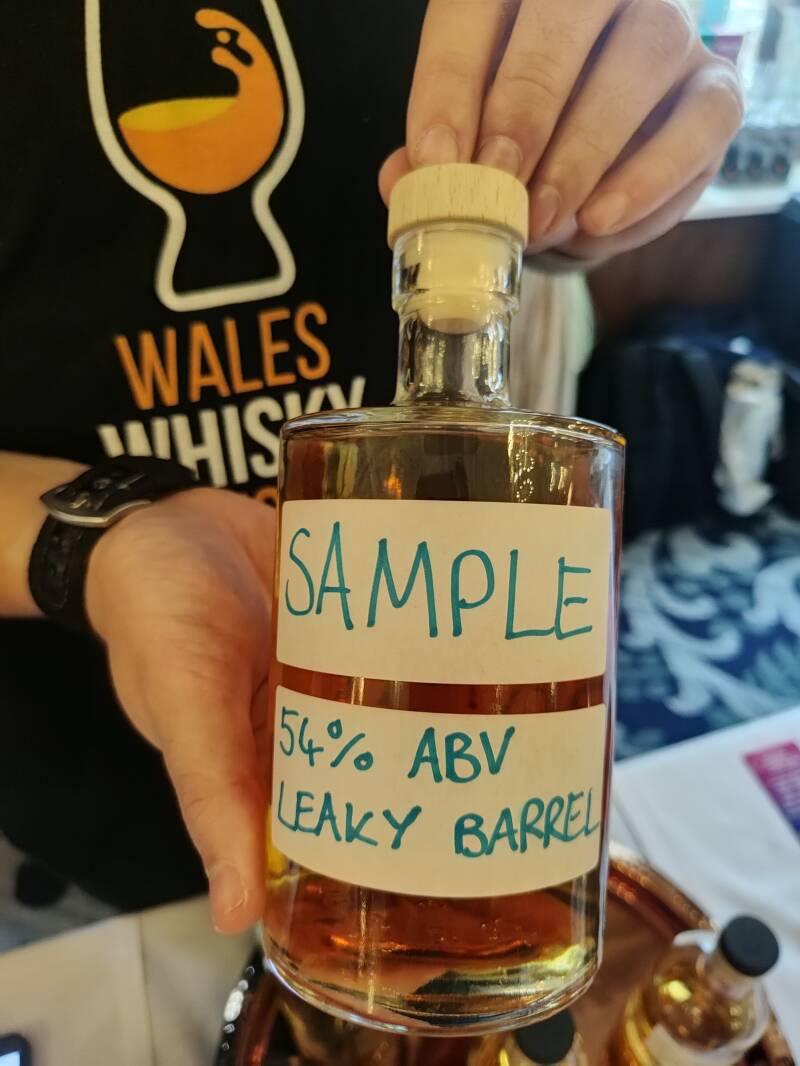
This simply labeled NAS 'Whisgi' is 40% ABV, non chill filtered and with no added colouring. Aged around four years in an ex-Jack Daniels cask, it has a funky, furniture polish note to it. I also got to taste a sample left over from a cask given to the WWS, a 54% dram labeled 'Leaky Barrel'. I hope that's a humorous name and not an accurate description… In any case, this one had a nice sherry note to it but that same persistent furniture polish. Somehow, the two almost balanced each other here? Strange stuff.
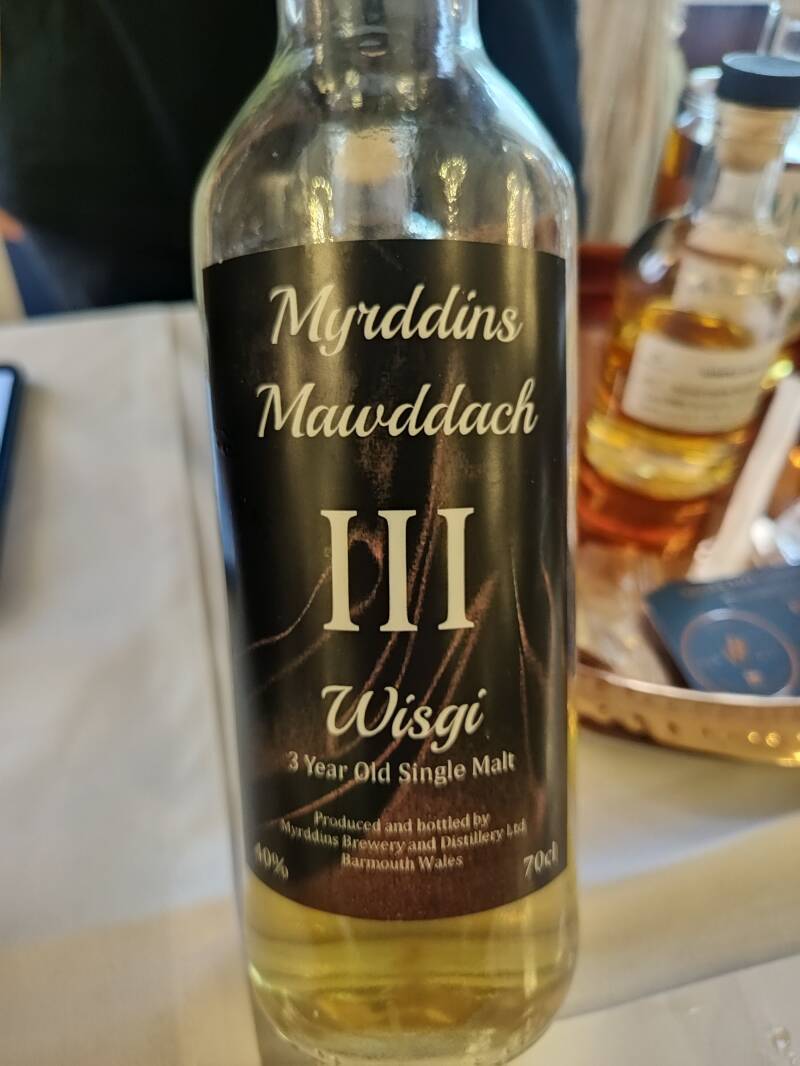
Myrddins comes from Barmouth, a place my family knows well ('Mawddach' refers to the local river). This equally simple bottling of three year old 'Wisgi' was aged on new oak (what kind exactly, I'm not sure, but likely quercus alba ). It was light and bready, with some cough syrup/root beer notes to make it a bit more unique. Some promise for the future?
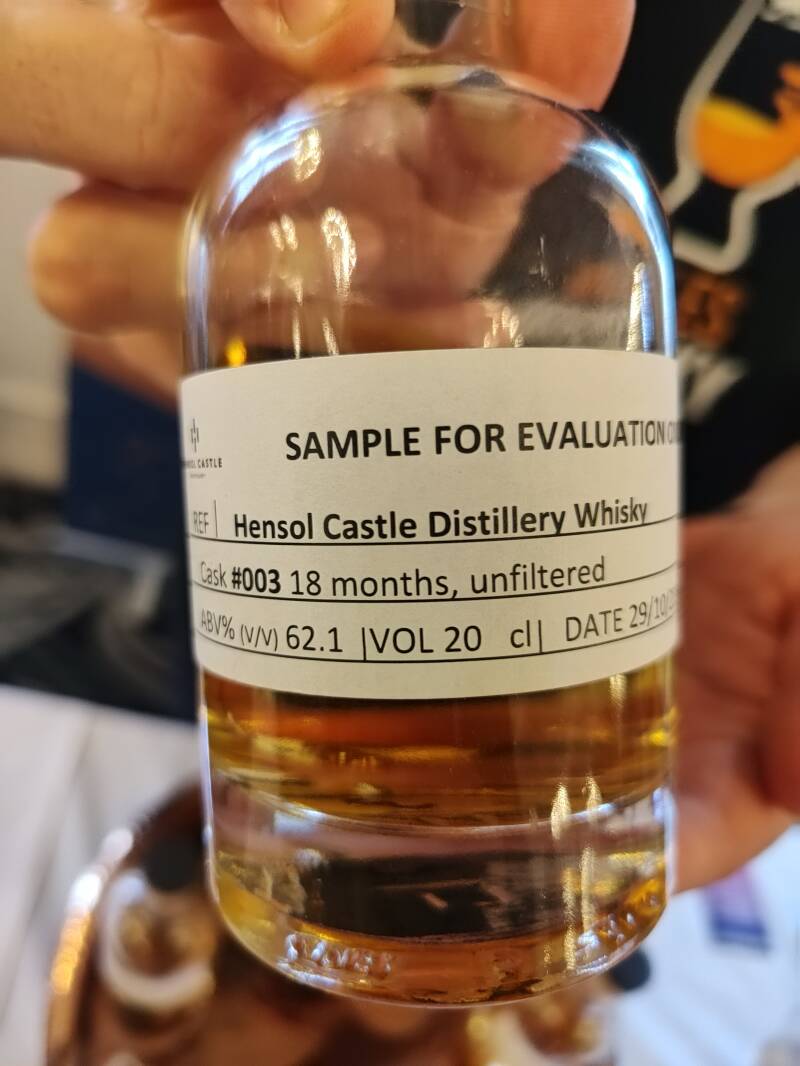
Hensol Castle Distillery started with gin, as so many UK distilleries do, but I got to try an 18 month old cask sample. Made with wash from legendary Newport brewers Tiny Rebel, this was apparently fermented 48 hours longer (than what? Not sure). Another ex-JD cask, no chill filtration or colouring, though now at cask strength. Now this was more like it - very good! A note on the finish particularly caught my attention, a slight sourness like a risotto made with red wine or more sophisticated Haribo cola bottles.
Now I mentioned the English vibes of the hotel as a bit of foreshadowing earlier. This is where I reveal that the festival centered English whiskey almost as much as Welsh! While a little surprising, it does make some sense. England has plenty of smaller distilleries within easy reach of Wales, most notably in towns and cities which have been centers for Welsh trade and employment since the middle ages such as Liverpool, Birmingham, and Bristol.
For all the WWS' work, the scale of this festival definitely works better for having a few more distilleries present than Wales alone can muster. I can see a future where the 2035 Wales Whiskey Festival has a heavy centerpiece for Welsh Whisky, but also plenty of space for select visitors from other countries too, bringing those other drams to Welsh consumers. Keeping the event mostly/wholly away from south-east Wales also helps stop it being overly Anglocentric.
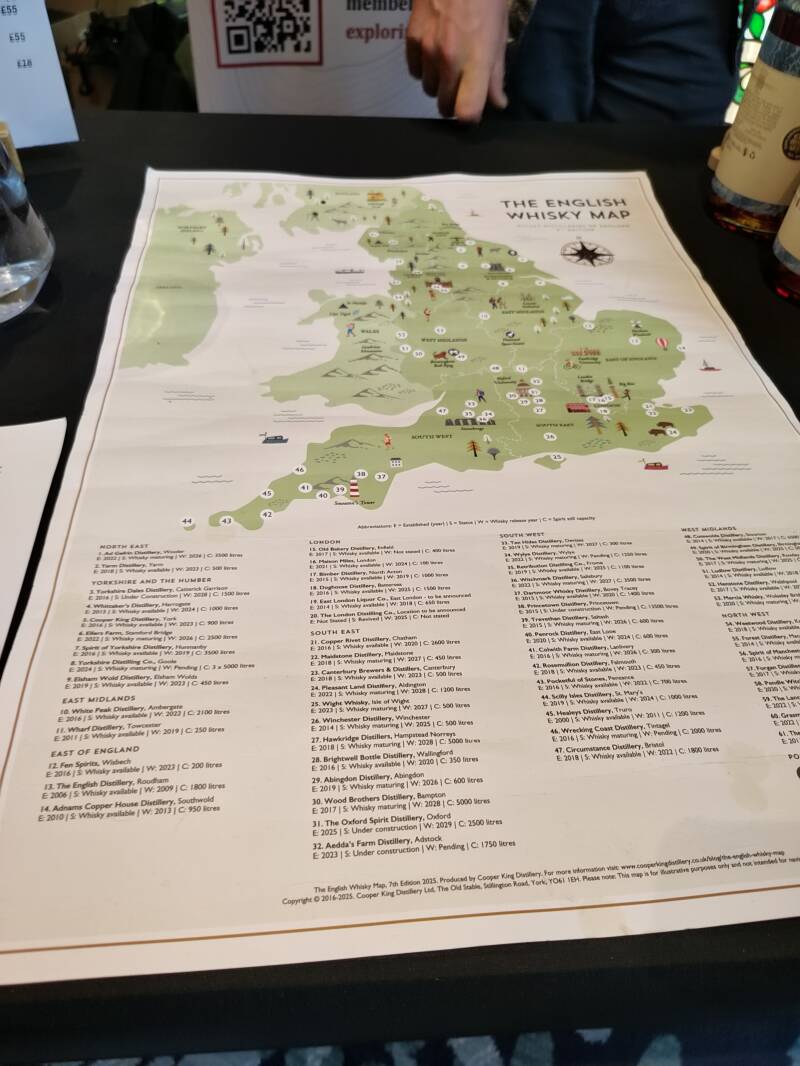
With all that said, I seized the opportunity to try more English whiskies, and to buy the map above. First, Spirit of Birmingham. I honestly hadn't thought about them that much in the past, mostly because small urban distilleries can be a letdown. I mean, I do really enjoy ELLC… and Glasgow… and Pittermans… wait, why do I dislike urban distilleries again?
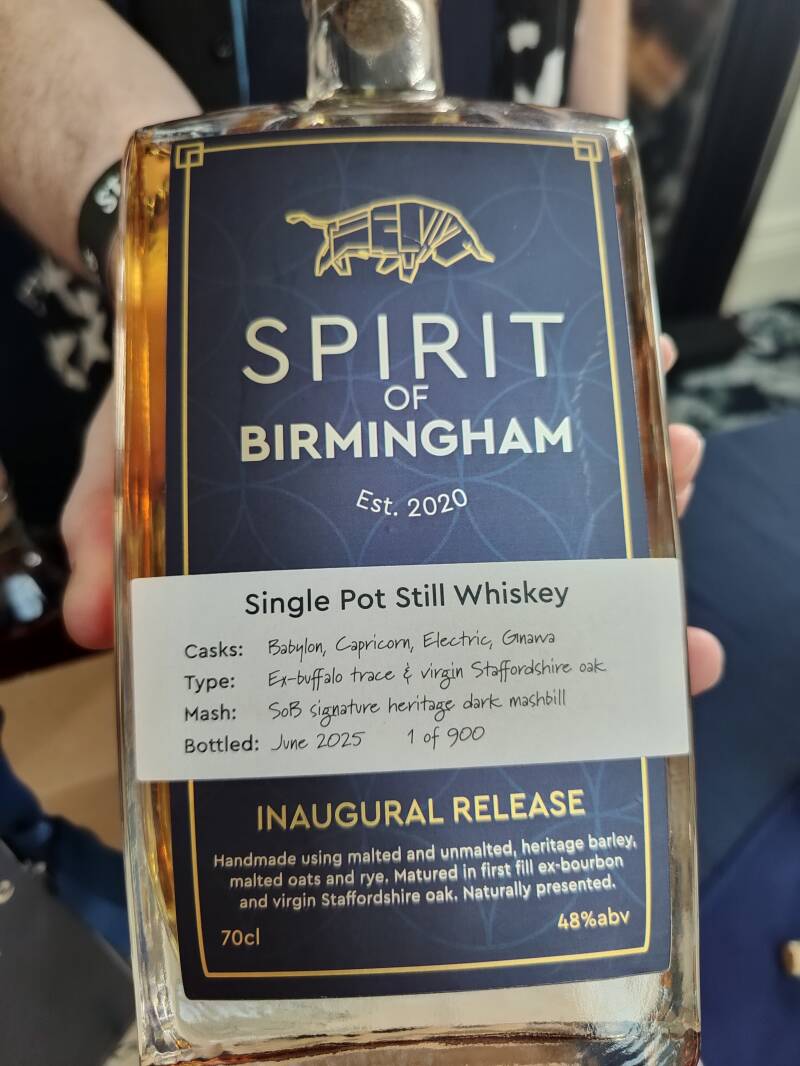
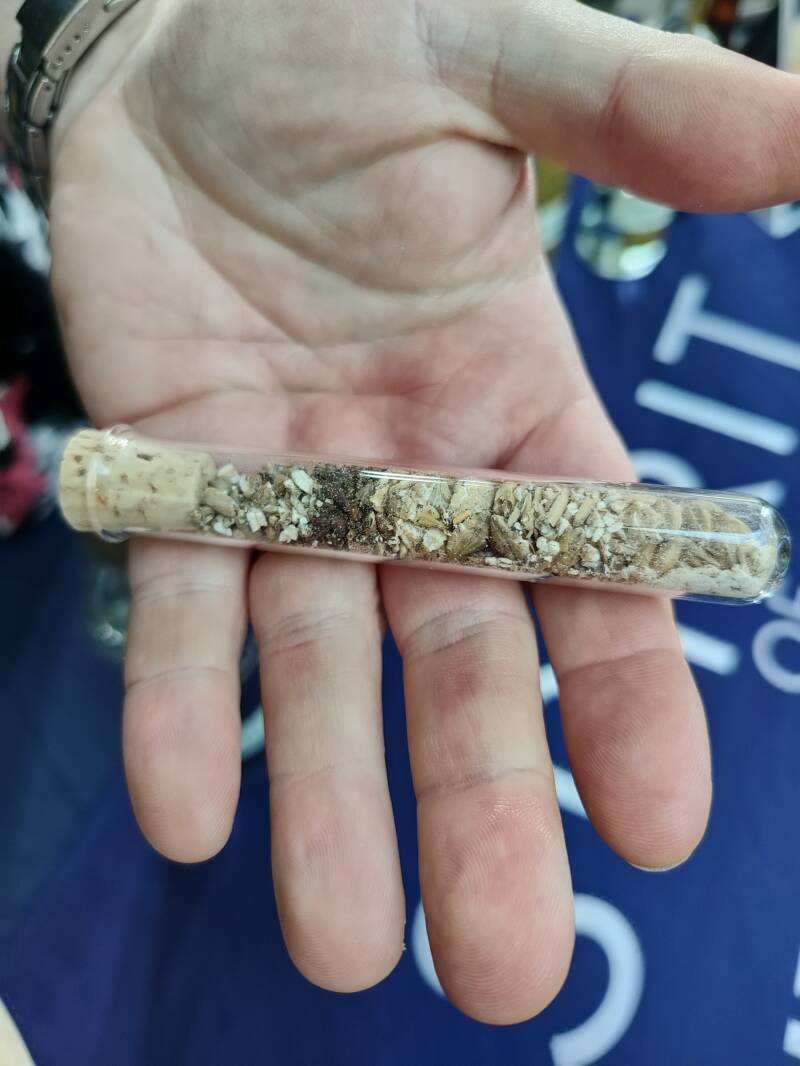
SOB's whiskey is FASCINATING, and I make no apologies for hyperbole here. First, they chose to make a Single Pot Still in England - immediately a great choice. Their mashbill includes 80% Maris Otter barley alongside some unmalted barley, rye, oats, and chocolate malt. This same mashbill goes into all the distilleries' beer, vodka, and gin. Love to see a place pick one way and stick with it, creating continuity across products and a more distinctive, cohesive character.
Despite using grains for layers of flavor and texture rather than yield, they are able to charge just 89 GBP for this bottle. Very good in the circumstances: one man runs the distillery on his own, and this four year old inaugural release is bottled at 48% ABV too. It came from just four casks, two of which were new, 200L Staffordshire oak (toasted, not charred). So they're also aging in local oak, which performs really well and breathes out an angel's share of 4.5%. The casks cost 800 pounds new, but look at how people are paying for sherry butts these days…
The owner/presenter (who I believe was called Tony - correct me if I'm wrong) had a great manner with explaining oak casks and their varied effects to the crowd. His choice of these casks was less about 'English oak' as some broad idea and more about the specific effect of local oak to his surroundings. He let us smell a sample from chestnut cask which had a sourness he attributed to oxidation (it only spent 18 months in a small blood tub).
When I try a drop of the main release, the oats add a silky texture while the rye and chocolate malt give some sourness. The whole thing has a beautiful floral flavor with a hint of tannin spice which surely derives from the oak. I'm surprised to learn that SOB uses an iStill with no copper involved, which could potentially get them in trouble with those leading the march for an English Whiskey GI. Tony is no slouch - he explains very clearly how a temperature controlled, 'clean' fermentation can vastly reduce how many sulfurous compounds are released by 'unstressed' yeast, reducing the need for copper contact.
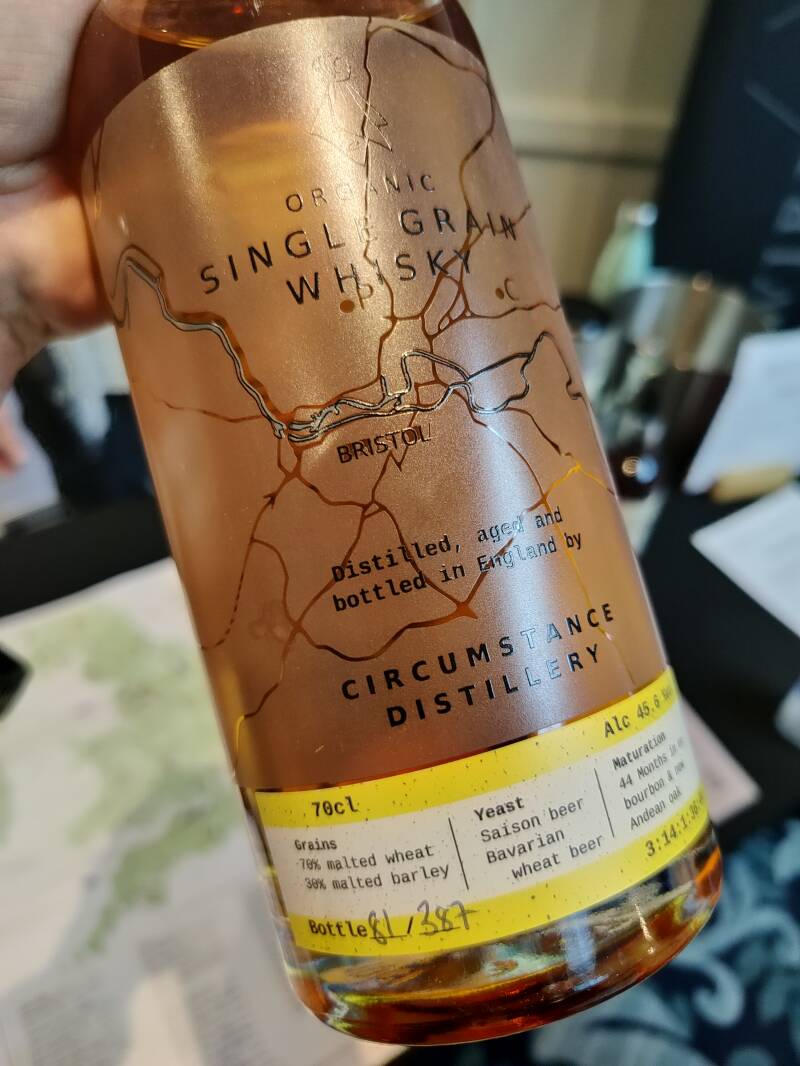
I also got to try some Circumstance single grain from Bristol. An organic bottling, this was really well balanced. Drawing on Westwood, Maris Otter, and Cristal barley, this whiskey aged in casks specifically laid against a south-facing wall, heating them for a more intense colour. Approximately four years spent in bourbon, sherry, and wine casks gave this dram a little spice and a very welcome quality.
When I bought the map of English distilleries, I did so from 'Exploring English Whiskey', which turned out to be a rough equivalent to the WWS, despite with more years of experience. I tasted their nine year old Adnams bottling, without expecting much: regular bottlings of Adnams are a big letdown IMO.
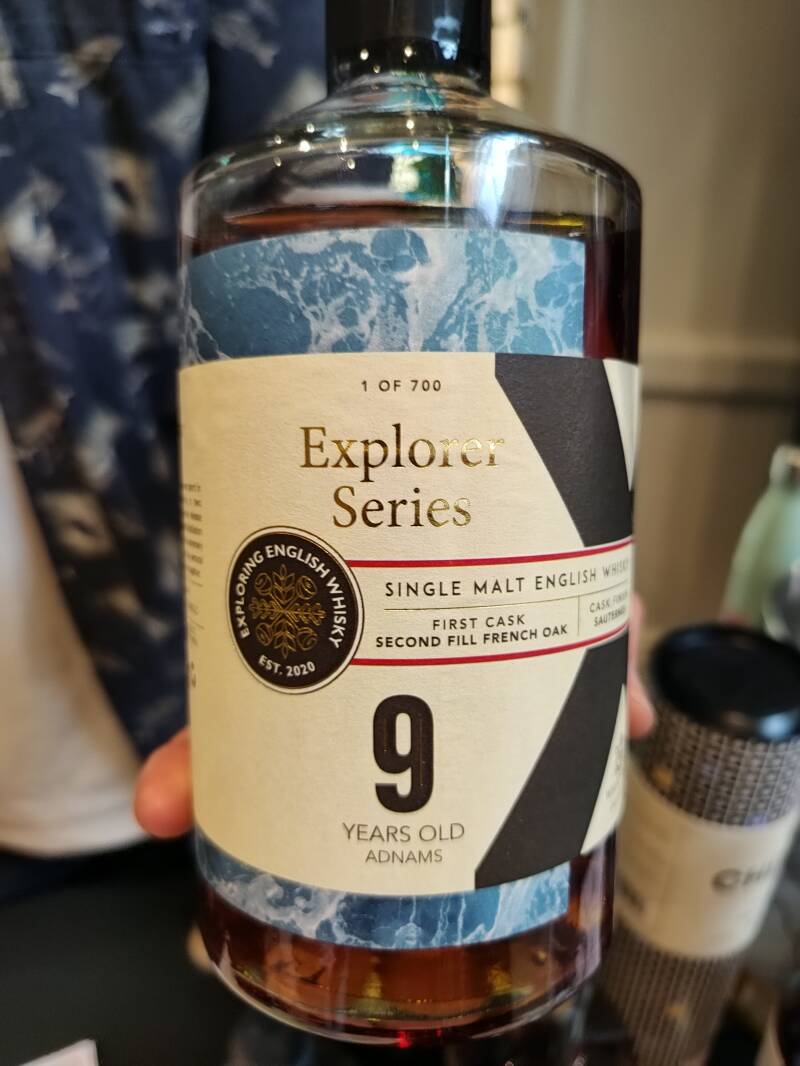
However, I immediately rethought that first impression when I noticed the color and the ABV of 55%.This Suffolk dram spent seven years in French oak and two in Sauternes, and was EEW's first ever bottling. The nose was super rich and sweet, a bomb of swirling, heavy French oak which proves that Adnams must have something good cooking somewhere!
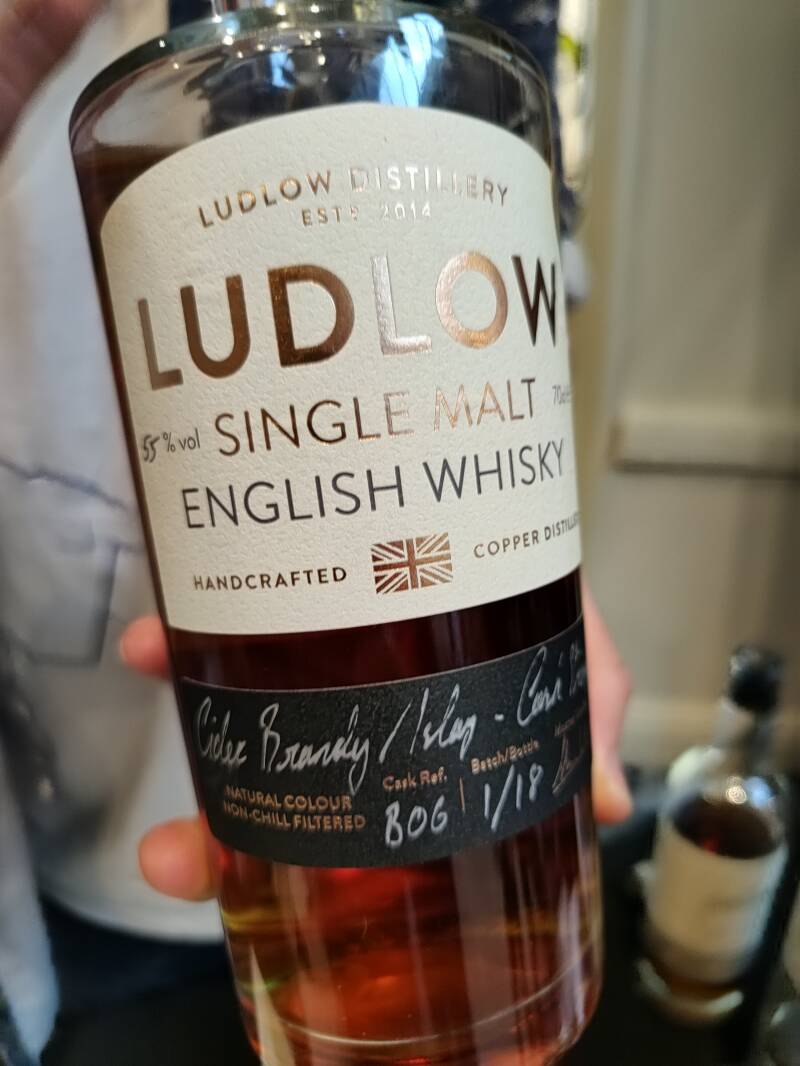
I'm still reeling when I'm hit with another EEW bottling, this time from Ludlow. The distillery is branded SO much better than when they were 'Wardington', and the extra time has absolutely improved their whiskey too. In fact, I learned here that the whole distillery was bought out and revamped years ago, so that explains the difference!
This bottling moved from a bourbon cask to local Hereford apple brandy and Islay casks! The peat notes are really well integrated, and while the apple brandy doesn't stand out, everything comes together to create a long finish which really works. I was glad to hear that EEW are encouraging more use of these cider brandy casks at Ludlow. This was also bottled at 55%, and apparently EEW wanted to make that the standard for all their bottlings. I'm in favour!
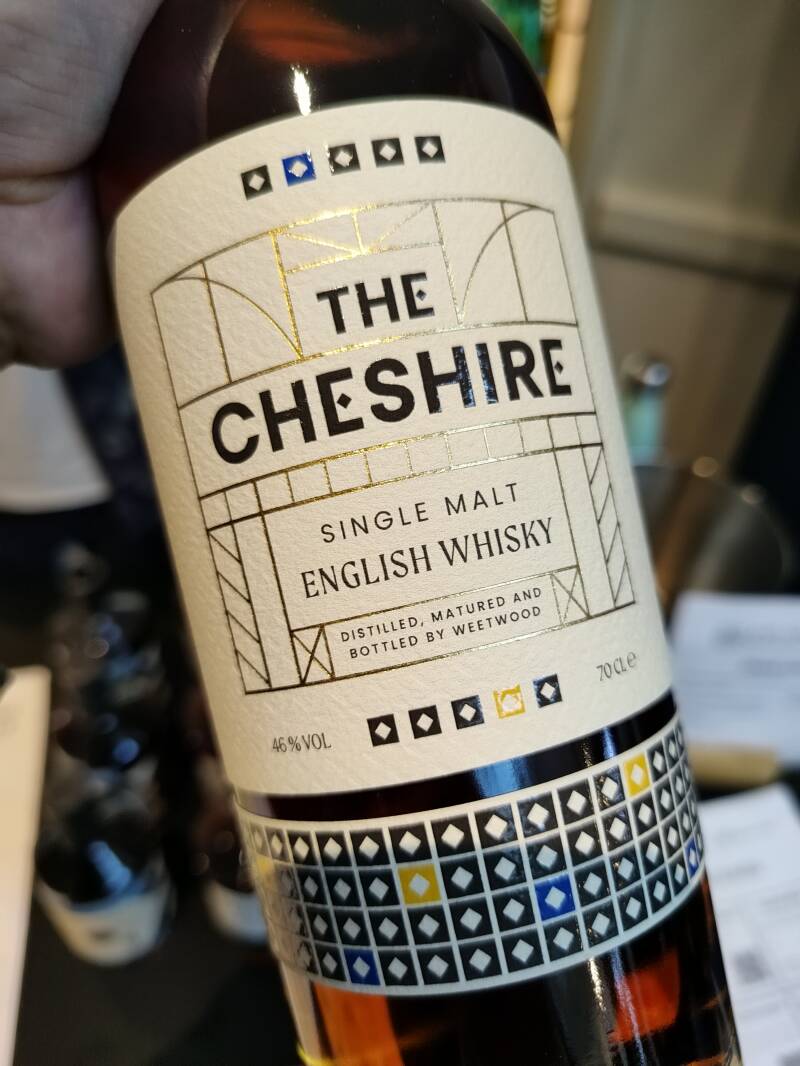
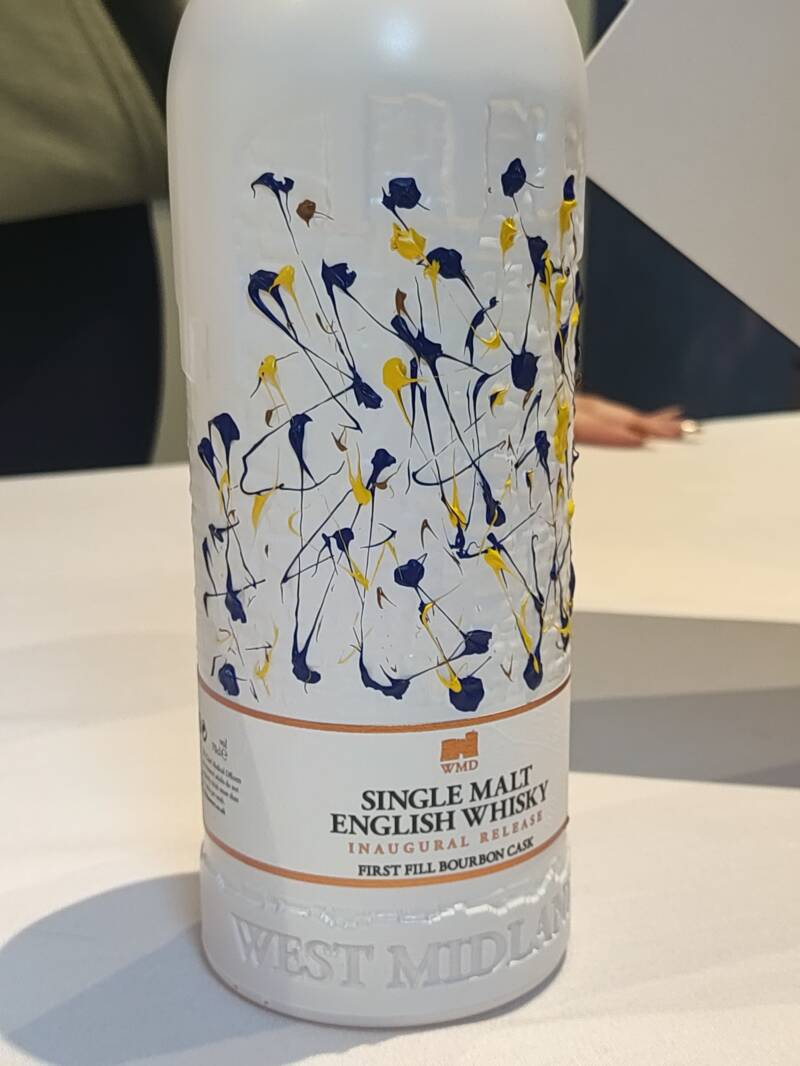
The festival rounded off with a quick dram of Cheshire single malt (which I remember enjoying but lost my notes on) and the inaugural release from West Midlands Distillery. Their white bottle with abstract blue and yellow is interesting, reflecting the old colors of Mercia. This was a bourbon cask dram with nice citrus notes, produced using Laureate barley among other varieties. It had a fantastic sweetness and a finish full of peach notes, so SOB had at least some competition in the area…
After all that Welsh and English whiskey exploration, however, it was time for me to high-tail it over to Lloyd Street for my tour, an already battered road sign pointing the way…

It's been a while since I took a tour as just another punter, rather than on a one to one business visit. Penderyn's northern distillery is housed in a listed building, an old school built in 1881 and converted to its present use by 2021.
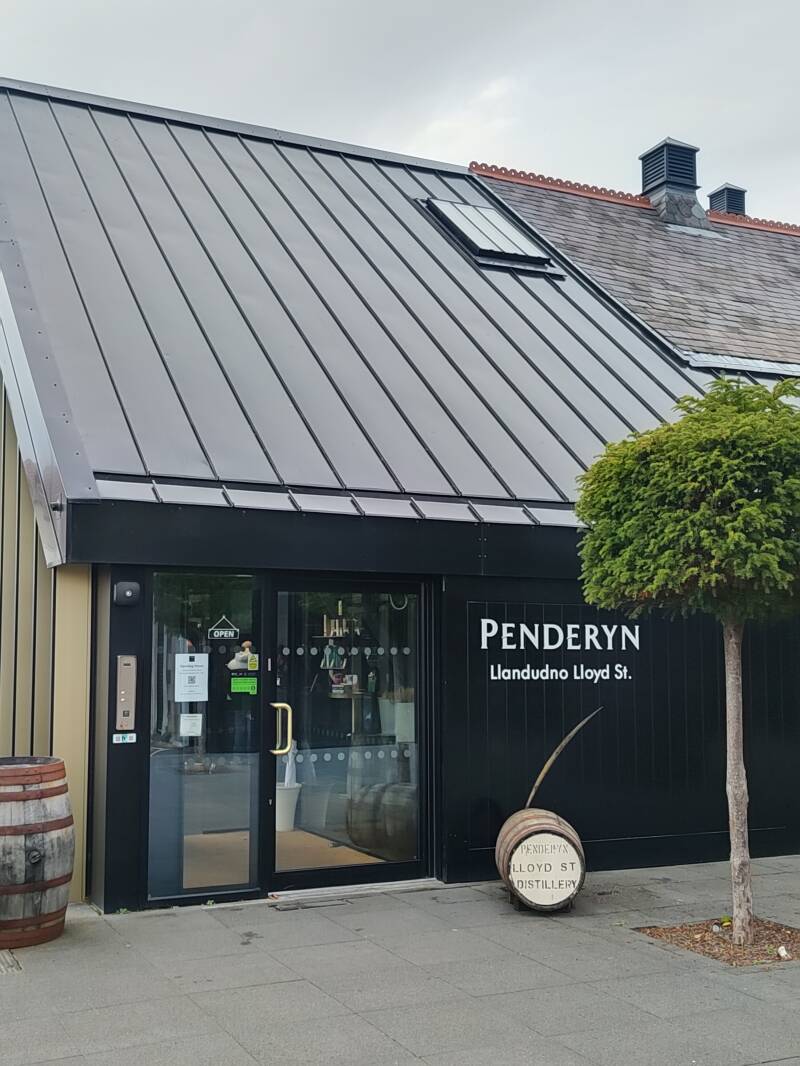
The entrance is unassuming, tucked around the back when you approach from the street. The original Penderyn distillery is also quite small, so this felt quite similar. There was some nice info on the school and area to read while waiting for the tour. I appreciate the focus on women working in whiskey at Penderyn. My only real quality is the focus on the Faraday still which… guys, come on. It isn't the 2000s any more. It's just a hybrid still, you're not that special for using one any more!
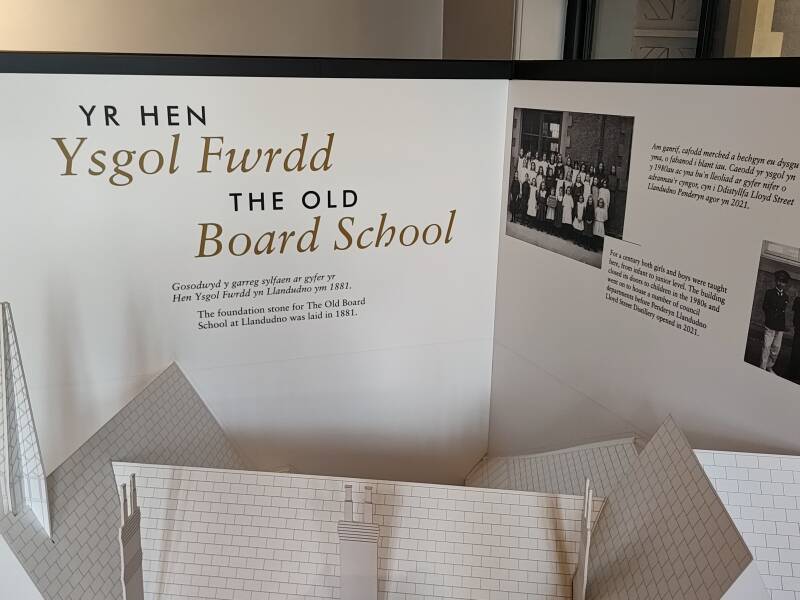

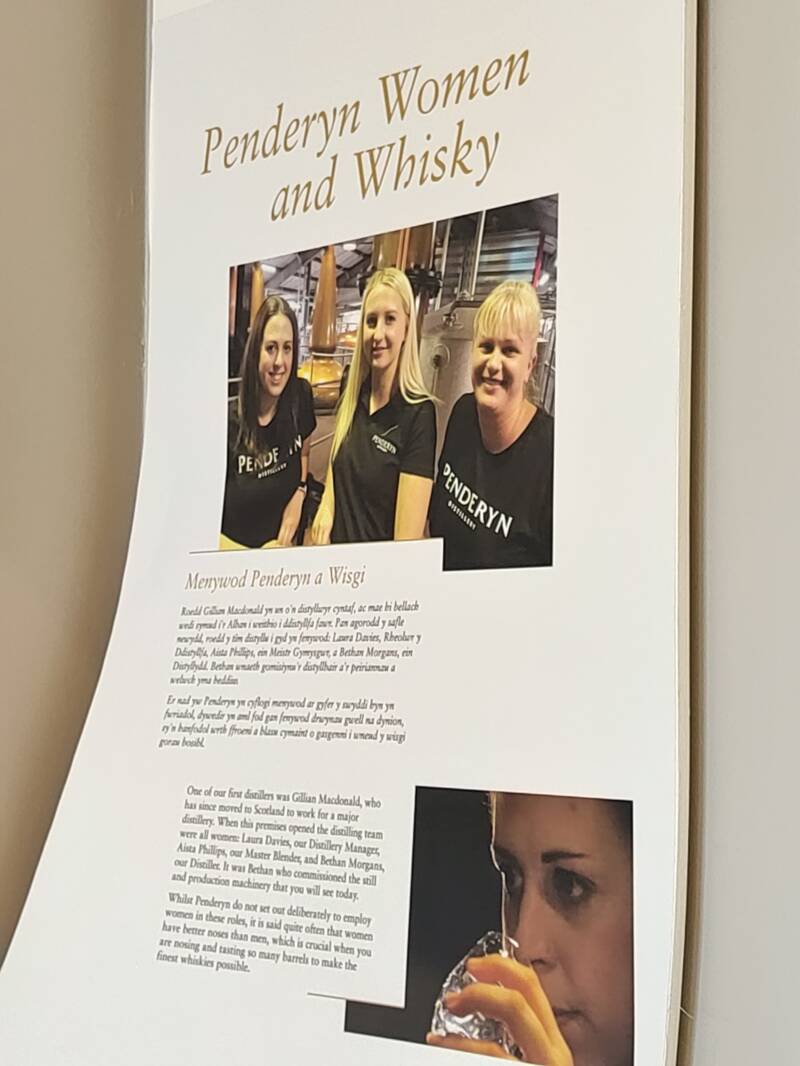
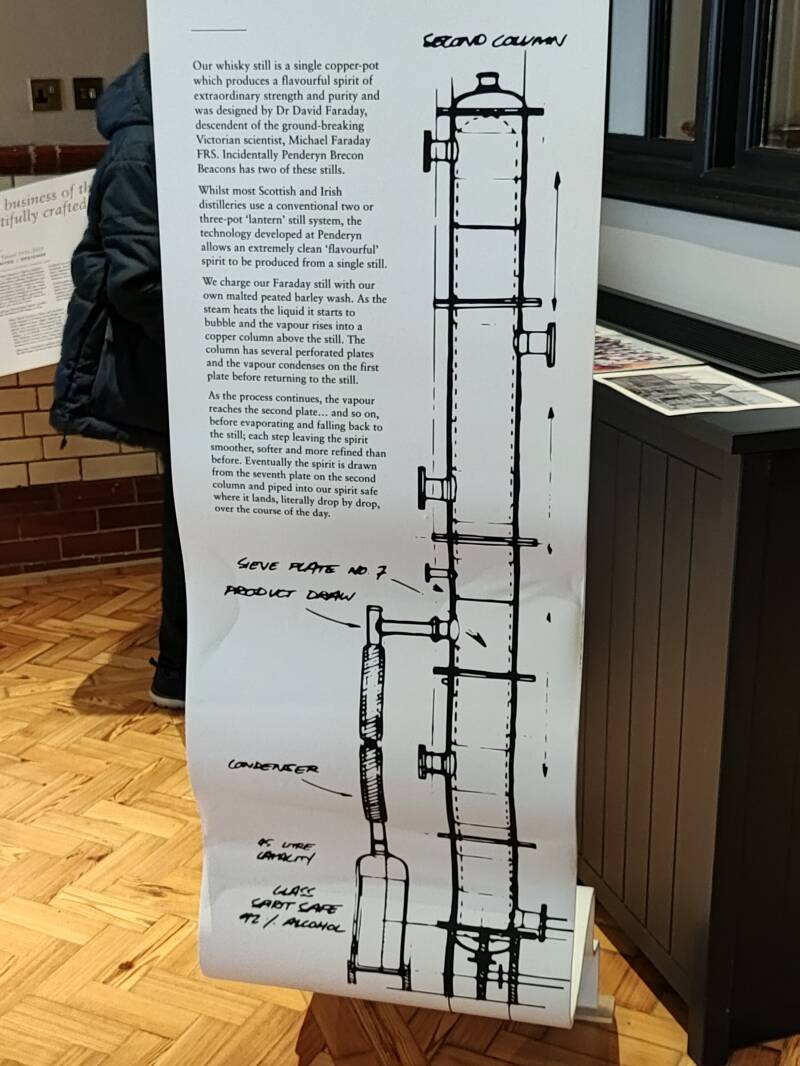
Stuart, the tour guide, did a great job - full marks. The distillery itself - it was fine. Nothing that interesting to see, to be honest. You have the Faraday still, a small distillery, and some other bottlings on display.
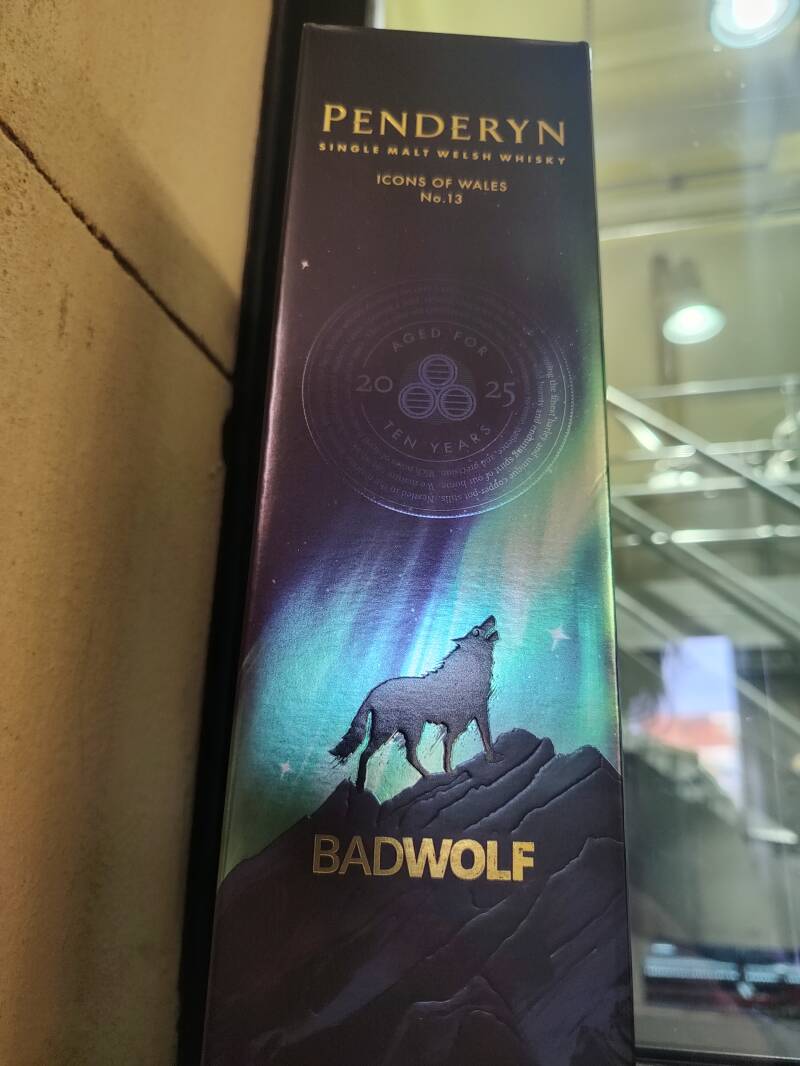
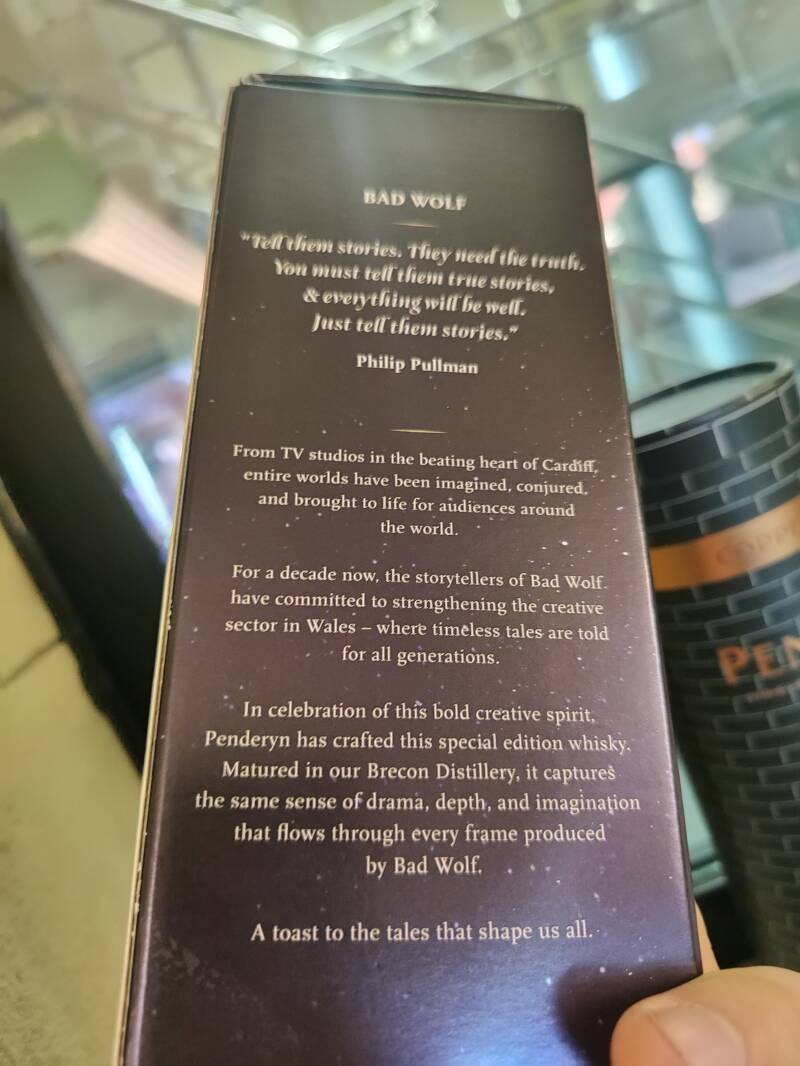
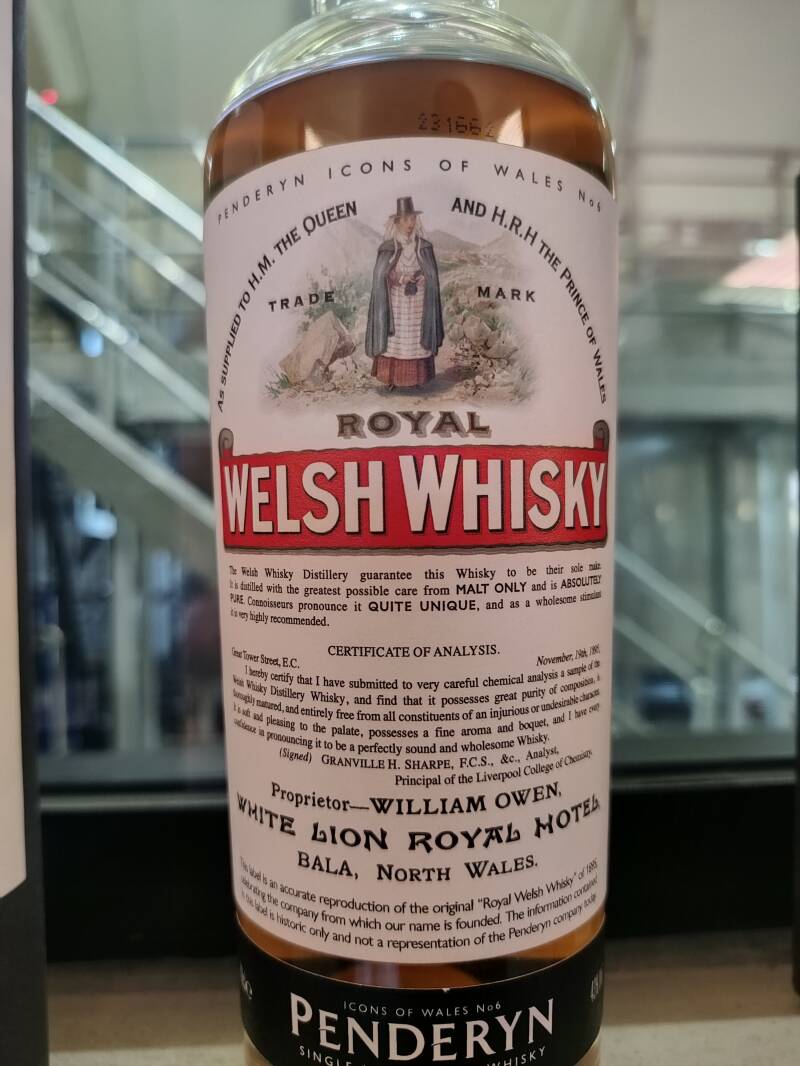
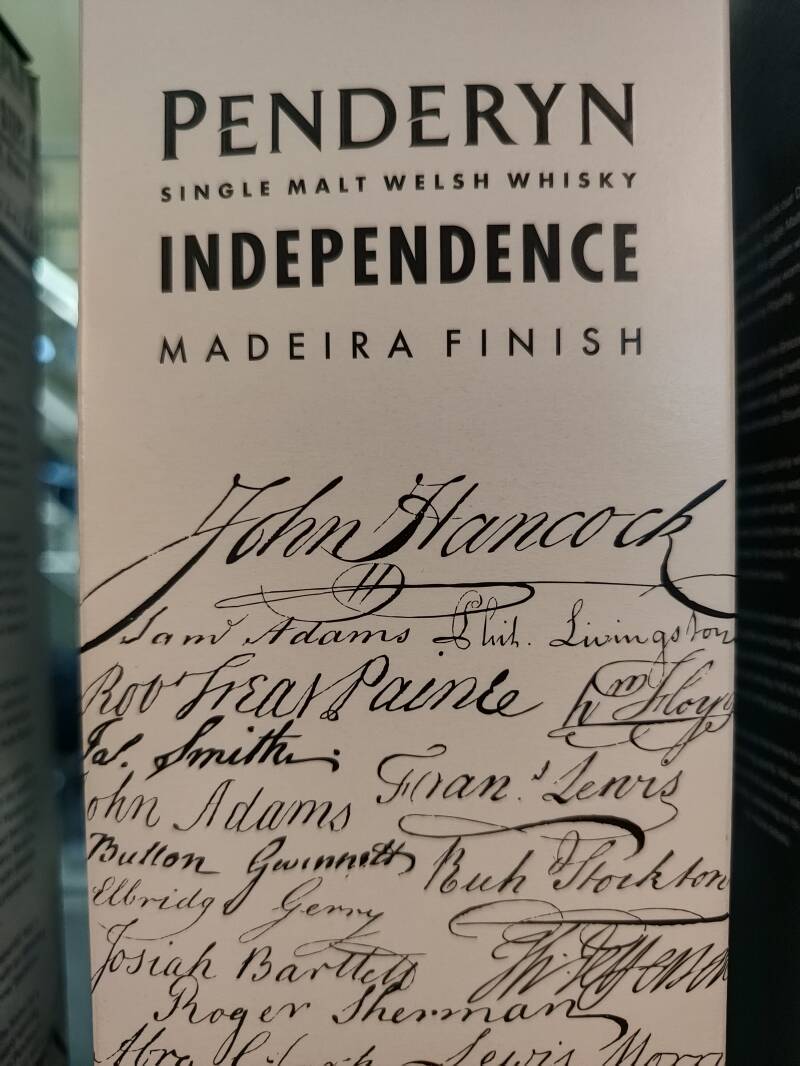
The Bad Wolf bottling got a bit more attention from me for two reasons: I'd never seen it before, and it has an obvious link to Dr Who's filming in Wales - and I actually got to try some at the end of the tour. At ten years old, it was probably the oldest Penderyn I had ever tried. The nose was good, but the taste was younger. Some tannins, low sweetness… overall a disappointment compared to SMWS bottlings or just the regular Penderyn aur Cymru Portwood.

This was the lineup in the bar, at the end of the tour. Everyone got to try two, and you could buy more if you wanted. After the Bad Wolf, I went for the bottle in the middle, the real reason I was here: the first bottling produced at this distillery, the Serpents' Tears .
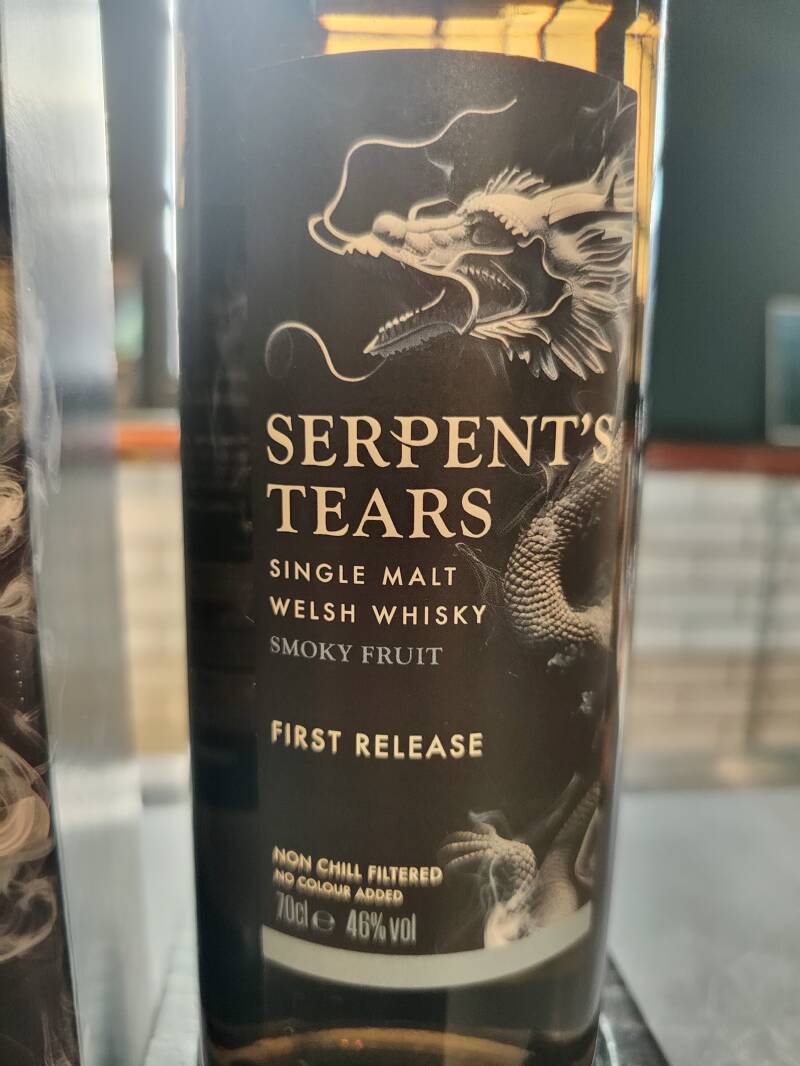
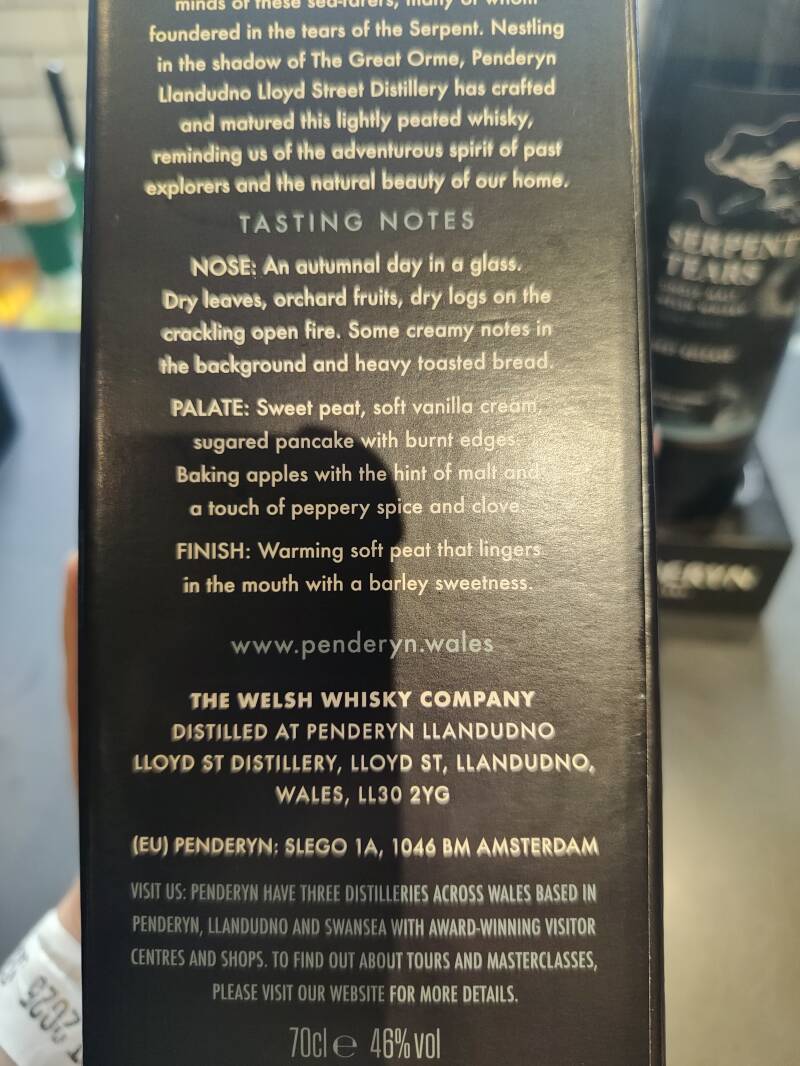
So, what are we working with here? A 46% ABV, NAS bottling of Welsh single malt, produced using peated malt and a Faraday still. Stuart is happy to tell me more about how this whiskey was made. The Aur Cymru range has been Penderyn's core for a while now, followed by the lighter trilogy of Celt, Myth, and Legend. The former are bottled at 46% after aging on first/second fill casks, while the latter are 40% and aged on third/fourth fill. The Serpents' Tears is something else entirely, but seems to parallel the AC range…
Tasting it, my first impression is a nose with a slightly musty, sweet peat. Sufficiently full, but nothing crazy rich. For something that came from a hybrid still, that's not too surprising. The sweetness grows slightly the more I nose the dram. The palate is very soft at first, before the peat makes its entrance. The finish is also sweet, fading to something light and pleasant enough. More than the peated cask finish Penderyns, but still light.
Apparently all the malt is sourced from Bury St Edmunds in England, and peated using Scottish peat. So… what on earth is Welsh about this whisky? Why does it exist? Sure, the tasting notes were ok, but that's it - they were ok . This is a bland, unremarkable beginning for a new distillery. Penderny's foray into peat, and it's just… nothing. All I can add is an amazing, context-less quote from Stuart in my notes: 'If you like peated whisky, Serpent's Tears is like having a yogurt'.
I'm glad I saw the new distillery, and the festival was absolutely worth a day in Llandudno, but man, that new bottling really was a let-down. Penderyn have their moments, but they really need to get some perspective quick. Their 3rd distillery in Swansea doesn't even have a USP of any sort, and they shuttered production on it pretty quickly. Their website gives very little info at all, and looks 15 years out of date. The brand makes some good whisky, but they really need to take a step forward!
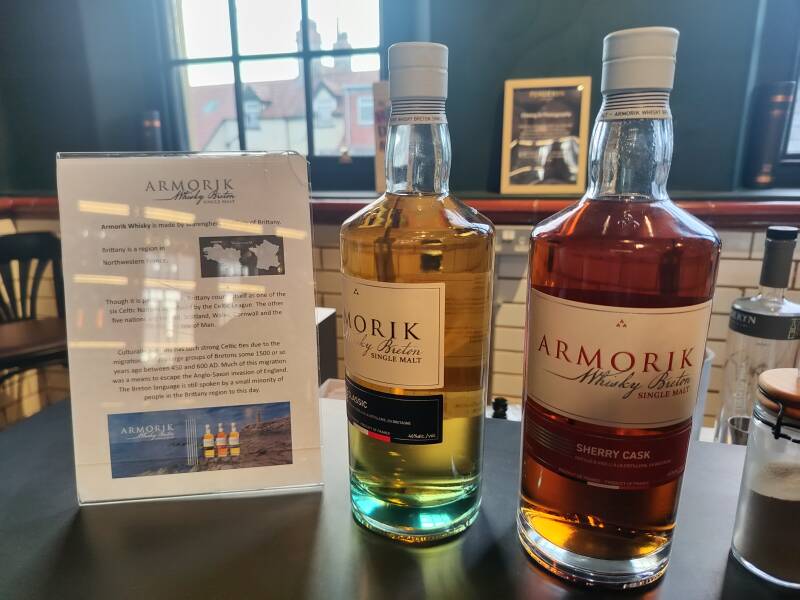
PS. Armorik was present - a little Celtic cooperation!
Add comment
Comments